

Over the past decade, Oman has steadily positioned itself as a strategic and reliable destination for construction and real estate development in the Middle East. Unlike markets driven by rapid speculation, Oman’s construction sector is shaped by long-term planning, economic diversification, and a strong focus on sustainability. For developers seeking stability, clarity, and scalable opportunities, Oman represents a market where growth is deliberate, not inflated.
This article explores why Oman is increasingly viewed as a strategic construction market, the key opportunities available to developers, and the factors that make the country attractive for long-term investment.
آنچه خواهید خواند:
Oman’s Economic Vision and Its Impact on Construction
Construction opportunities in Oman are closely linked to the country’s broader economic transformation agenda. National development strategies prioritize diversification beyond oil, with strong emphasis on infrastructure, logistics, tourism, housing, and industrial development.
As a result, construction is not treated as a standalone industry, but as an enabler of economic growth. Roads, ports, industrial zones, housing projects, and mixed-use developments are designed to support long-term productivity rather than short-term demand.
For developers, this translates into projects backed by real economic needs, not temporary market hype.
Strategic Location and Regional Connectivity
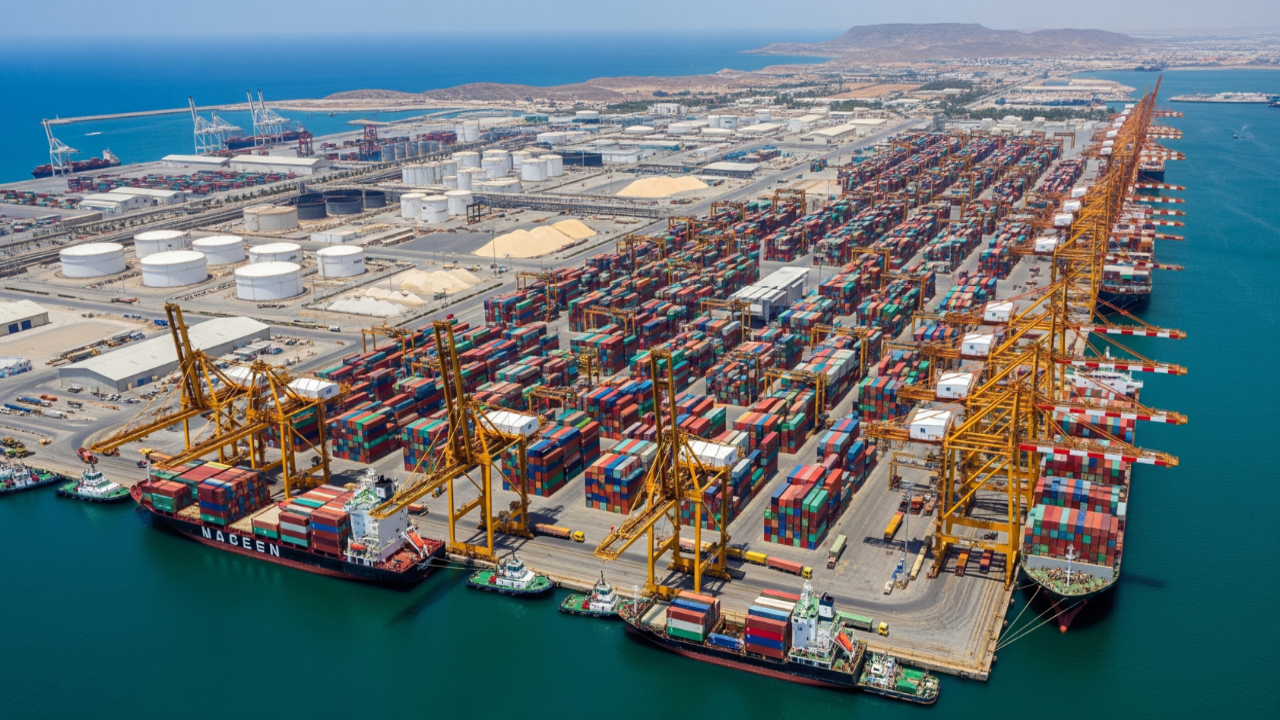
Oman’s geographic position is one of its strongest advantages. Located along key international shipping routes and outside the Strait of Hormuz, the country plays a vital role in regional and global trade.
This strategic location has driven demand for:
-
Port and logistics infrastructure
-
Industrial parks and free zones
-
Warehousing and distribution facilities
-
Transportation networks
Construction projects tied to logistics and trade benefit from consistent government support and long-term relevance, making them particularly attractive to developers focused on infrastructure-led growth.
Infrastructure Development as a Growth Engine
Infrastructure remains one of the most significant sources of construction opportunities in Oman. Public and semi-public investments continue to focus on:
-
Road and highway networks
-
Airports and port facilities
-
Utilities, water, and energy projects
-
Healthcare and educational facilities
Many of these projects are delivered through public-private partnerships (PPPs), opening the door for private developers and contractors to participate in large-scale, long-term initiatives with reduced risk exposure.
For experienced developers, infrastructure projects in Oman offer predictable demand and strong institutional backing.
Residential Construction Opportunities
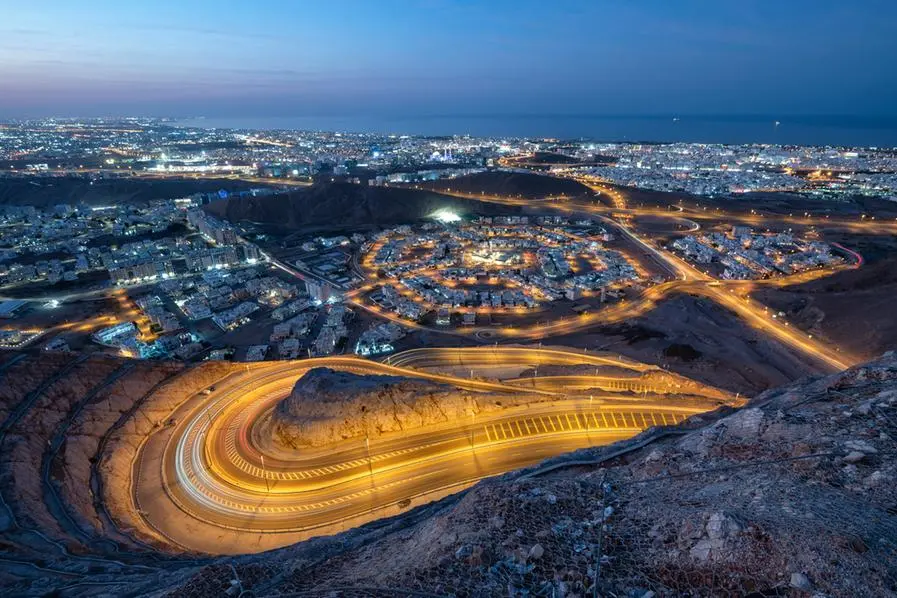
Population growth, urbanization, and changing lifestyle expectations are reshaping Oman’s residential market. Demand is gradually shifting toward well-planned communities that prioritize functionality, affordability, and quality.
Key residential construction opportunities include:
-
Mid-income and affordable housing projects
-
Gated residential communities
-
Mixed-use developments combining housing and services
-
Urban regeneration and redevelopment projects
Rather than oversupplying luxury units, Oman’s market rewards developers who align housing solutions with real purchasing power and demographic needs.
Commercial and Mixed-Use Developments
Commercial construction in Oman is closely tied to economic diversification. Growth in sectors such as logistics, healthcare, education, tourism, and professional services has increased demand for modern commercial spaces.
Opportunities exist in:
-
Office buildings and business parks
-
Retail centers and neighborhood malls
-
Hospitality and tourism-related developments
-
Integrated mixed-use projects
Mixed-use developments, in particular, are gaining traction as they create self-sustaining environments that reduce risk by diversifying revenue streams.
Tourism and Hospitality Construction
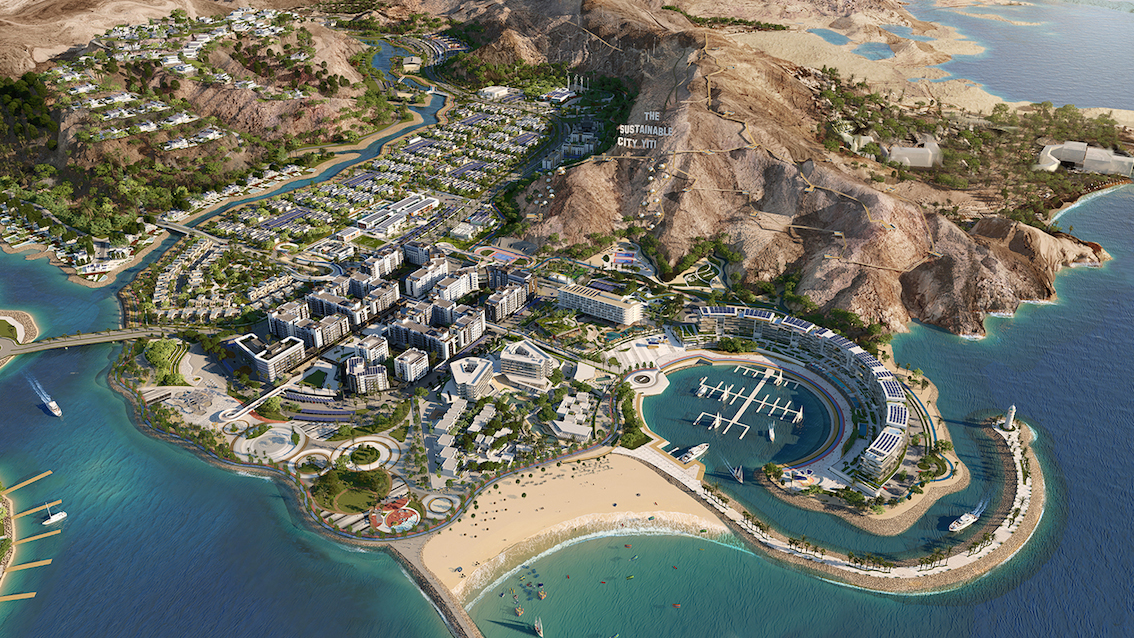
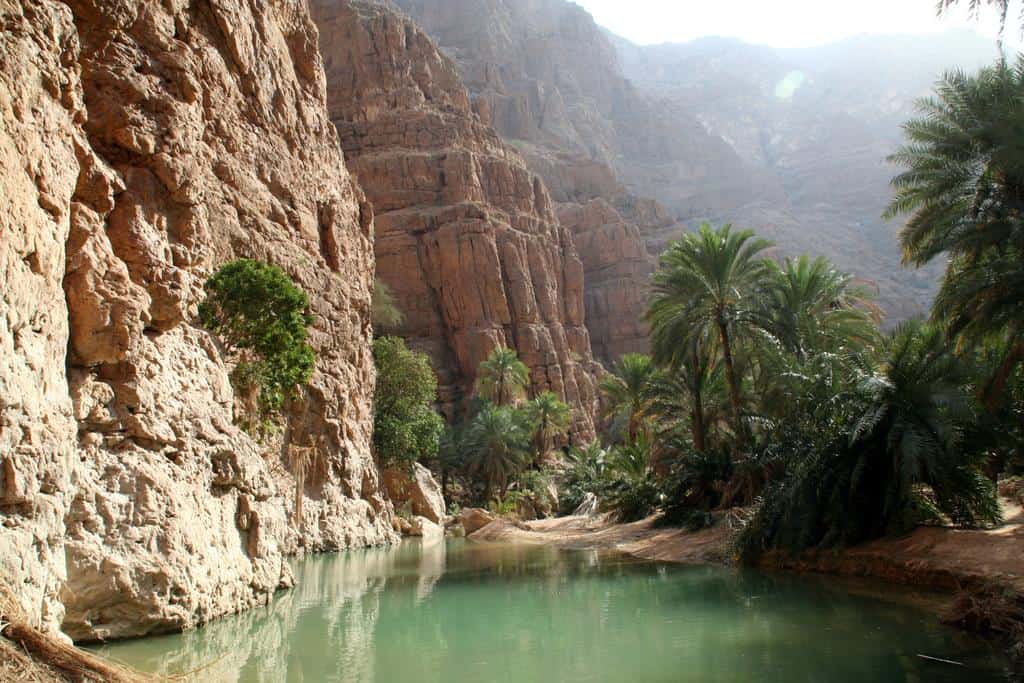
Tourism is a key pillar of Oman’s long-term development strategy. The country’s natural landscapes, coastline, cultural heritage, and eco-tourism potential have created demand for high-quality hospitality infrastructure.
Construction opportunities in this sector include:
-
Hotels and resorts
-
Eco-lodges and sustainable tourism facilities
-
Leisure and entertainment complexes
-
Supporting infrastructure and services
Developers who prioritize sustainability and cultural sensitivity are especially well-positioned in Oman’s tourism construction market.

Industrial and Free Zone Development
Oman’s industrial zones and free zones are central to its diversification strategy. These zones are designed to attract foreign investment, manufacturing, and logistics operations.
Construction opportunities include:
-
Industrial facilities and factories
-
Warehouses and storage complexes
-
Worker accommodation and support infrastructure
-
Commercial and administrative buildings
Free zones offer regulatory incentives and streamlined processes, making them particularly attractive for international developers with industrial expertise.
Sustainability and Green Construction Opportunities
Sustainability is no longer optional in Oman’s construction sector. Environmental responsibility and energy efficiency are increasingly embedded in project approvals and design standards.
Opportunities for developers include:
-
Energy-efficient buildings
-
Sustainable materials and construction methods
-
Smart building technologies
-
Water and resource-efficient designs
Developers who integrate sustainability from the outset often benefit from stronger regulatory alignment, lower operational costs, and enhanced asset value over time.
Regulatory Environment and Market Transparency
While regulatory processes in Oman can be detailed, they are generally transparent and consistent. The government has taken steps to improve clarity, streamline approvals, and encourage foreign participation.
For developers, success depends on:
-
Understanding local regulations and zoning laws
-
Partnering with experienced local consultants
-
Maintaining compliance throughout project lifecycles
Those who approach the market with preparation and patience often find Oman to be a predictable and cooperative environment.
Risk Profile and Long-Term Stability
Compared to more volatile construction markets, Oman offers a relatively balanced risk profile. Growth is steady rather than aggressive, which reduces exposure to sudden market corrections.
Key advantages include:
-
Political and economic stability
-
Measured supply and demand dynamics
-
Strong institutional frameworks
-
Long-term national planning
This makes Oman particularly appealing to developers focused on sustainable returns rather than short-term speculation.
Why Oman Is a Strategic Market for Developers
Oman may not deliver instant returns driven by speculative demand, but it offers something increasingly rare in the region: stability, clarity, and long-term opportunity.
For developers, Oman provides:
-
Access to diverse construction segments
-
Government-backed infrastructure growth
-
Growing demand across residential, commercial, and industrial sectors
-
Increasing focus on sustainability and quality
These factors combine to create a construction market built for endurance rather than volatility.
The Secrets Behind the Success of Major Brands: From Trust-Building to Customer Experience
Conclusion
Construction opportunities in Oman reflect a market shaped by strategy, sustainability, and long-term vision. From infrastructure and residential developments to tourism and industrial projects, Oman offers developers a wide range of opportunities grounded in real economic demand.
For companies willing to invest in planning, compliance, and quality, Oman represents a strategic destination where construction projects are not just built—but built to last.